info@flowtekpipes.com | +91-8700020073 | From homes to highways, Flowtek delivers trusted piping systems manufactured for strength, and safety.

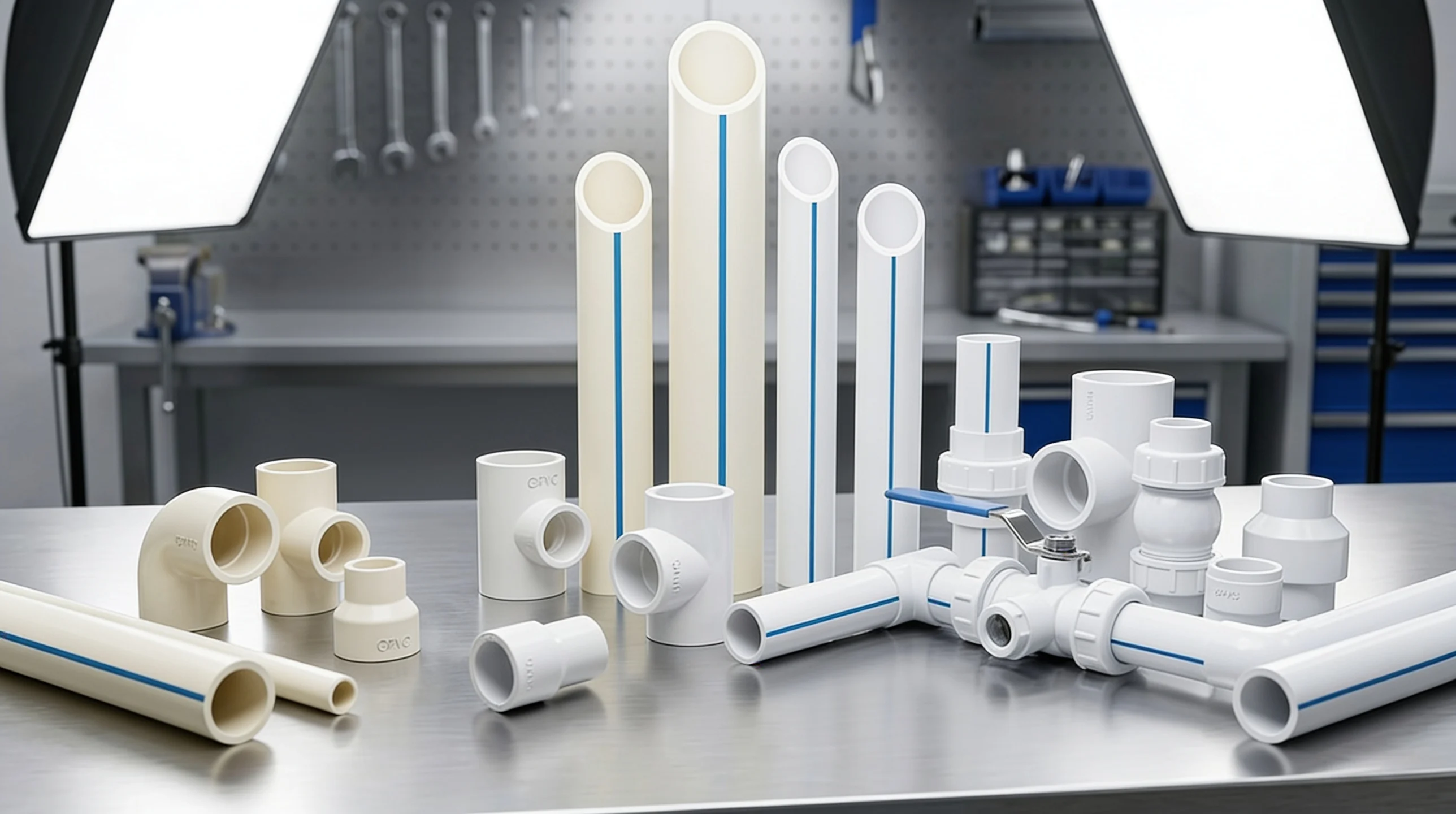
Nobody talks about pipes until something breaks. That's the problem. By then — a slow leak behind the wall, a fitting that cracks under pressure, a bore line that drops water output without warning — the damage is already done.
The pipe material isn't a small call. It controls flow rate, pressure handling, contamination risk, and long-term maintenance cost. Getting it wrong doesn't show up immediately. It compounds.
Whether the project is a housing society, a factory, or farmland, the Plumbing Pipes choice sets the baseline for everything else.
Old builds leaned on GI pipes and CI pipes. They did the job. But that job came with real limitations:
Modern thermoplastic pipes cut through all of that. CPVC Pipes and UPVC Pipes don't corrode. They don't rust. Their inner surface stays smooth, so flow stays consistent across years of use, not just months.
Here is the product overview to understand the nuances of technicalities:
UPVC Pipes handle cold water systems — supply lines, drainage, agricultural irrigation, and borewell columns. The inner wall is chemically smooth, which keeps friction low and pressure consistent. They don't react to moisture or most chemicals, so degradation risk is minimal.
Where they're typically used:
Hot water? That's where CPVC Pipes step in. They handle temperature variation that standard PVC can't. Higher chlorine resistance. Better sustained pressure rating. Same ease of installation — solvent-welded joints, light to carry, fast to run.
Where they make the difference:
TRIVIA CPVC was developed in the 1950s for industrial use. It moved into residential plumbing because nothing else at the time handled heat and chlorine exposure as reliably.
Understand UPVC and CPVC with comparison table:
| Feature | UPVC Pipes | CPVC Pipes |
|---|---|---|
| Water Type | Cold water only | Hot & cold water |
| Max Temp. Tolerance | Moderate | High |
| Pressure Rating | Good – standard supply | High – intensive systems |
| Chemical Resistance | High | Very High |
| Corrosion | None | None |
| Weight | Lightweight | Slightly heavier |
| Typical Use | Irrigation, drainage, cold supply | Plumbing, industrial, hot lines |
| Lifespan | Decades with minimal upkeep | Decades with minimal upkeep |
The gap between a cheap pipe and a properly manufactured one isn't visible on day one. It shows up under pressure — literally.
Here's what quality-built pipes actually deliver:
For a live Water Distribution System — whether it's feeding a residential complex or irrigating a few acres — these aren't small gains. They compound into real savings over the system's life.
DID YOU KNOW A rough or corroded pipe interior can increase friction loss by up to 40% — pushing pump load higher and quietly inflating energy costs across the system's lifespan.
Numbers matter when pipes go under pressure. The specs to check before buying:
Reputable Pipe Manufacturers test every production lot. Pressure rating, dimensional check, impact resistance — all documented before the batch ships. That's what separates a certified product from one that just looks the part.
Here are some Industries and Applications.
Apartments, row houses, and plotted developments all need a plumbing pipe network that runs clean for the building's full lifespan. CPVC and UPVC are now the standard across residential projects — easy to install, reliable in operation, and low on maintenance demand.
Farm networks take a beating. UV exposure, irregular pressure, outdoor conditions year-round. A water distribution system built for agriculture needs pipes that hold up through seasons without cracking or dropping flow. UPVC handles this well.
Process water, cooling circuits, and waste lines in factories all carry demands that standard pipes can't handle. Chemical exposure is common. Temperature variation is constant. Industrial-grade CPVC is built for exactly these conditions.
FACT India's thermoplastic pipe market has grown consistently — driven by housing scheme expansion, large-scale irrigation projects, and industrial infrastructure investment across multiple sectors.
Not every Pipe Manufacturing Companies produces at the same standard. The difference isn't just in specs — it's in how consistently those specs are met across every batch.
What to check before you buy:
If you're searching for Pipes Manufacturers in India or evaluating Pipe Suppliers for an upcoming project — quality testing records and IS compliance should sit above unit cost in your evaluation. A Construction Material Suppliers who can show documented QC is worth more than one offering the lowest quote.
The same applies when looking for a Pipe Suppliers in India or a reliable Pipe Dealers in India. Ask about testing protocols. Ask about supply consistency. The answers tell you more than any catalogue.
Flowtek Pipes & Fittings has over 15 years of experience and is a renowned Manufacturer, Supplier, Dealer and Wholesaler of superior quality piping systems throughout India. The company offers durable and economical CPVC, UPVC, SWR and Agricultural Pipes & Fittings catering to Domestic, Industrial, Agricultural and Infrastructure needs. The company possesses the most advanced technology in extrusion and molding, in addition to robust quality control mechanism that ensures leak proof service, simple installation and long service life. The company has well-established dealer and distributor networks throughout India, ensuring prompt delivery and adequate technical support and always maintains the customers' needs at its highest priority for an ongoing business relationship.
Ans: CPVC pipes are chlorinated during manufacturing, which raises their heat tolerance significantly. Standard PVC softens and warps under hot water — CPVC holds shape, maintains pressure, and keeps joints sealed under sustained temperature.
Ans: The smooth inner bore of UPVC pipes cuts friction dramatically. No scaling, no corrosion narrowing the pipe wall. Water moves through cleanly, so pressure stays stable from the source all the way to the outlet.
Ans: IS compliance isn't paperwork — it's proof the product was tested. Certified pipe suppliers document pressure rating, wall thickness, and dimensional accuracy per batch. Without that, you're guessing on quality, not confirming it.
Ans: A pipe manufacturing company controls raw material, extrusion, and QC testing at source. A Pipe Dealers in India distributes finished stock. Both matter — but manufacturing quality starts at the factory, not the warehouse.
Ans: UPVC pipes are the standard choice for farm irrigation and water distribution system layouts. They handle UV exposure, outdoor pressure variation, and seasonal stress without cracking — making them practical for long-term field use.
Ans: Check for IS certification, batch testing records, and supply consistency. A trustworthy plumbing pipe supplier will show documented QC without hesitation. If they can't, that's your answer — move on and find one who can.
A pipe isn't just a pipe. It's the infrastructure that keeps a building, a farm, or a factory running without interruption. Low-grade materials cut costs at purchase and add them back — with interest — in leaks, replacements, and pressure failures.
The right CPVC pipes and UPVC pipes, sourced from a credible Pipe Manufacturing Company, don't just carry water. They carry your project's reliability across its entire operational life.
| Searching for Pipes near me or a verified Pipe Dealers in India? Contact Us to Flowtek Pipes & Fittings — and get the right pipe for your next project, the first time. |
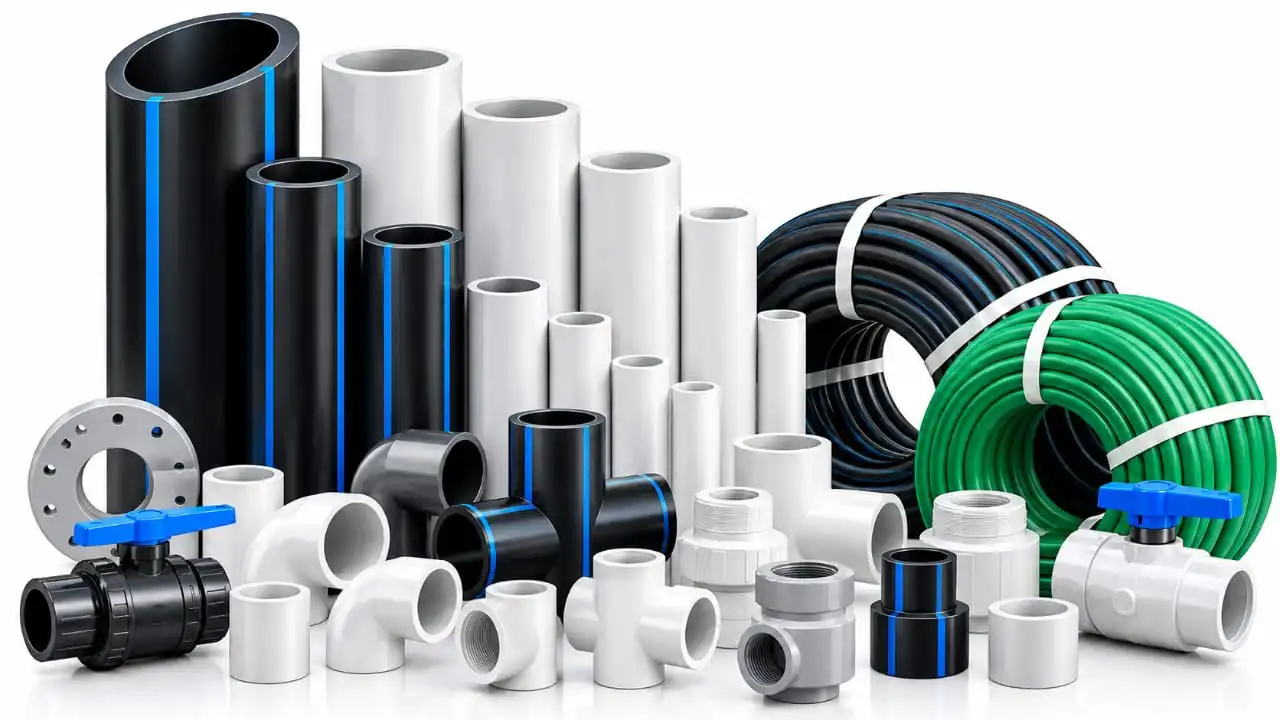
Discover how agriculture pipes support seasonal crop rotation. Learn about PVC pipe selection, irrig
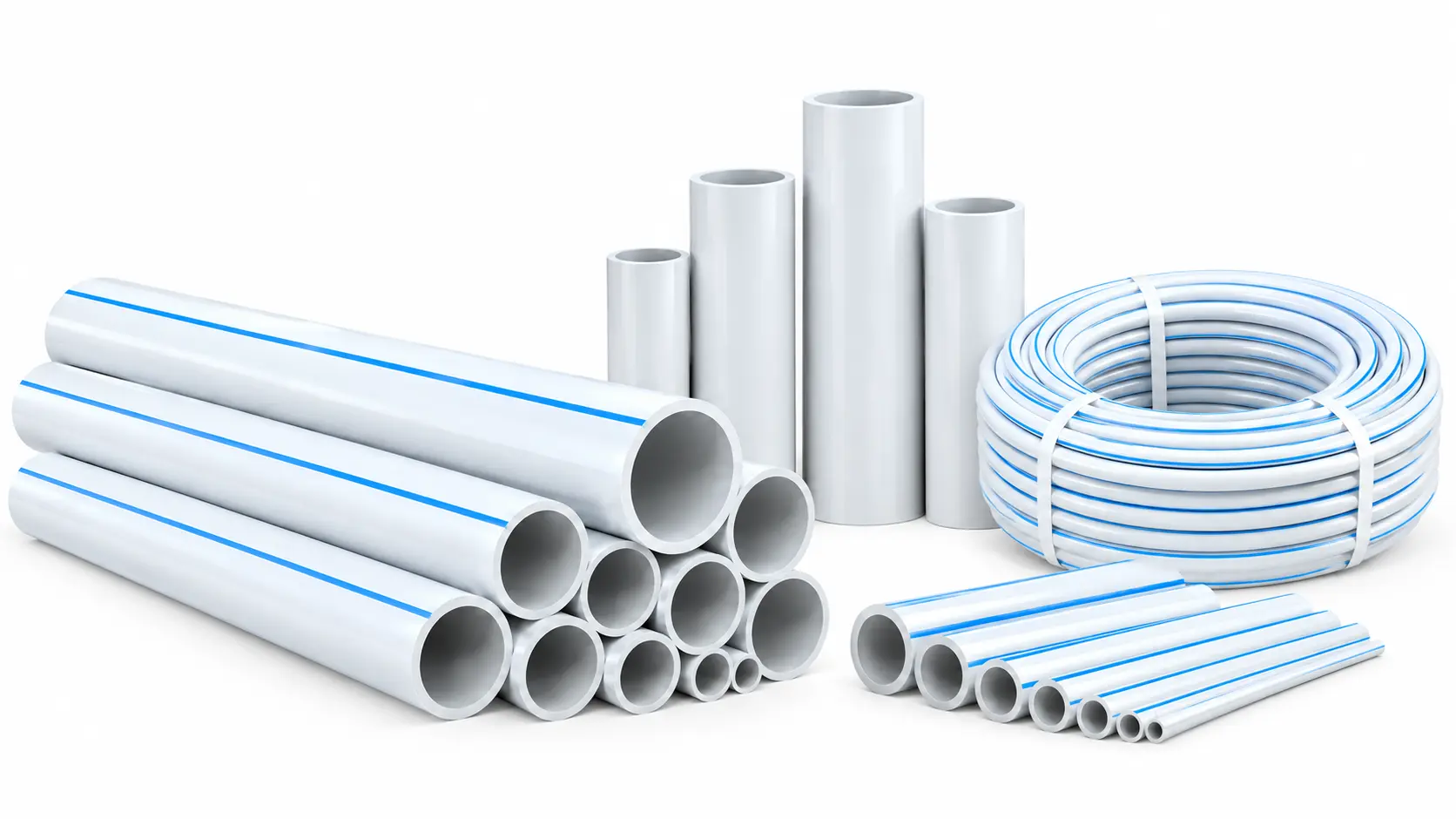
See what serious buyers check in PVC irrigation pipes, from quality and pressure ratings to manufact