info@flowtekpipes.com | +91-8700020073 | From homes to highways, Flowtek delivers trusted piping systems manufactured for strength, and safety.

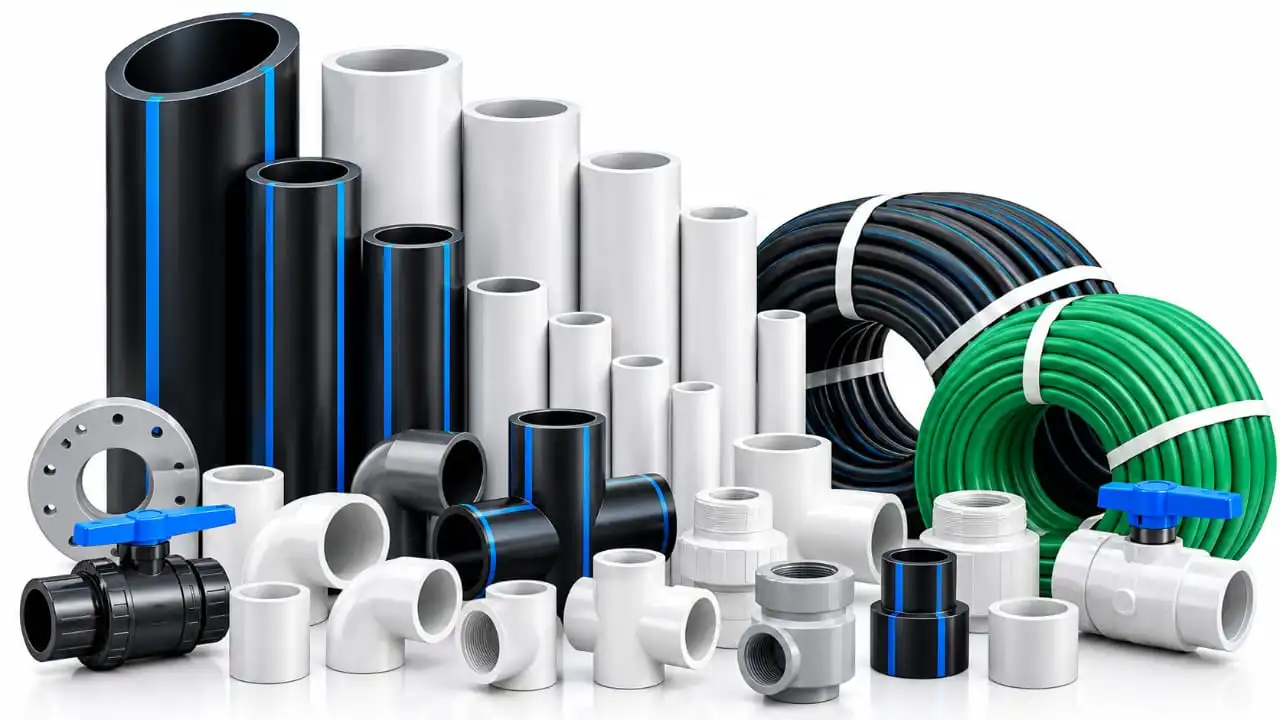
The most efficient way to maintain fertile soil is to switch the planting between each crop over the course of the year. As well as requiring a different amount of water each crop has varying irrigation times and even separate distribution needs. Watering equipment and a dependable network of pipelines will allow farmers to adapt to these varied requirements without any excess water loss. Connecting water pipes and fitting for crop rotation agriculture pipes are an essential part of the pipeline running from the water source to different parts of the field.
Seasonal crop rotation is growing different crops on the same piece of land in a planned sequence, seasonal if indicated by the seasonal nomenclature of the crops. It might consist of growing a winter crop such as wheat and then a compatible summer crop. It might help the health of the soil, for control of some pests and for diversification of the farm.
Irrigation needs do vary for every crop, and this depends on factors such as the weather conditions in the area, soil type, and the size of the crop. Undergoing a changed agricultural irrigation systems schedule in the field can make the entire process of watering very difficult without the proper structures. Make watering easier and more effective with the correct crops and pipe connection pattern.
Agriculture irrigation pipes help farmers take water from the storage tank, pump or well system and to the field in which the crops are grown. This will often be important where farmers rotate through seasonal crops, as that may be a different water requirement. A carefully planned irrigation piping system simplifies that process.
Agriculture pipes and fittings for targeted water application, durable connections, and flexible irrigation design. Pumps can deliver water to various parts of the field if required and help farmers reduce over watering of wet areas. Appropriate agriculture irrigation pipes can also decrease leakage, if selected, properly installed, and maintained. Depending on the water pressure, pipe size, and field design, farmers can develop an irrigation system that accommodates shifting needs throughout the year.
The choice of agriculture pipes material also varies according to the irrigation conditions. Various factors like water pressure, installation process, farm size and the type of irrigation system decide the type of pipe materials. These include UPVC, HDPE and agriculture PVC pipes.
Agriculture PVC pipes are popular irrigation pipes because they are light in weight, easy to assemble, and corrosion resistant. They fit in most of the permanent types of irrigation water distribution systems where the pressure rating is correct. PVC pipe agriculture can be used to deliver water from one point of supply to various parts of the farm. The jointing and fixing method of PVC pipe is of great importance in avoiding leakage.
UPVC agriculture pipes UPVC (unplasticised polyvinyl chloride) is a rigid version of agriculture PVC pipes used mainly for piping water supply systems. These pipes can be a corrosion-resistant option for a fixed irrigation system; and can also serve as a long-lasting water conveyance system when you choose the appropriate size and pressure class of pipe to fit the application. Use fittings compatible with the pipe size and follow manufacturer instructions for installation.
HDPE agriculture pipes are a flexible, impact resistant pipe, and may be suitable for some irrigation layouts where curved pipe runs or rough terrain are encountered. High density polyethylene agricultural water pipes may be used for any type of agricultural irrigation, water conveyance or other farm use depending on the pressure required and nature of the connection method and site. Good installation is essential to minimize leakage and deliver water effectively.
The choice of agriculture pipe selection is influenced by the water requirements of your crop, irrigation method, and distribution pattern of your field crops that demand more water will be more suitable with larger flow pipe, smaller outlet type of drip irrigation, how big is your farm, and how far away water source is from your field.
Think about pipe material, diameter, pressure rating, and how it will compare to existing equipment and construction. Consider a seasonal design of irrigation system, to allow for taking care of the existing watering needs without an additional fitting. Take advantage of agriculture pipes, to help you stay irrigated all through different planting cycles. Reach out to irrigation experts to calculate flow rates, pump capacity, and large farm systems.
The pipe diameter affects the volume of water that can be delivered by the system and the resulting friction losses during flow. The correct agriculture pipe diameter relates to flow rate, pipe length, pump capacity and the amount of pressure loss allowed. If the pipe diameter is too small there will be restrictions in the volume delivered and, if too large, greater installation costs. Farmers need to establish what irrigation pipe size is required before equipment is purchased.
An irrigation pipe pressure rating maximum it can carry, when used in the pressure for which it was intended. Pump pressure, head difference and variable pressure are factors to take into account in the choice of agriculture PVC pipes and other products. Service life depends on temperature, sun exposure and installation conditions.
Irrigation pipe fittings enable you to join your pipe and to control where you want the water to go. Use elbows to turn flow in a different direction, tee joins to send flow in a couple of different directions, couplers or reducers to attach a pipe to another or reduce the size of the pipe, and valves to turn flow off or control flow.
Appropriate agriculture PVC pipe fittings can facilitate a various organisation of distribution pipes that can be used to supply different crop zones. Properly matched fittings ensure strong joints, minimizing the likelihood of leak. For the crop rotation, the irrigator may want to reroute the water or change field connections in the removal sector, and the rated fittings are very versatile.
Here are some of the advantages of agriculture PVC pipes:
Correct agriculture pipe installation reduces the risk of leakage and ensures reliable irrigation in any season. Prior to installing agriculture pipes, the following are essential:
Don't just focus on price. Always review the product specifications and sizes, pressure capacity, pipe and fitting quality and all other necessary technical specifications so you can be confident that farmers will get the best product suitable for their watering system.
A further reason to look at the supplier side of things is to verify that manufacturing is consistent, and quality-control, warranties, and the product supply are all in place. Agriculture pipes suppliers in India like Flowtek Pipes & Fittings should be able to answer, for instance, if a given machine will work for a farmer's application and state without exaggeration what the output will be.
When sourcing agriculture pipes and fittings manufacturers check that the items comply and that the item will supply the sizes and connections required for the installation planned. Flowtek Pipes & Fittings are an example of a suitable place to search when sourcing products for agricultural piping. Buyers will want to read the current product specification document and verify it will fit their irrigation system.
Crop rotation all year long needs an irrigation system which can cater to the water needs of every crop. Selecting agriculture pipes are categorized based on material, diameter, pressure level, fittings and the environment for installation. PVC pipes, for example, are rigid, which makes them feel more stable and stronger. It is also resistant to various chemical corrosion and ideal for use in harsh environments. Experts also recommend the routine inspection of new installations to ensure leaks do not compromise the water system.
Farm owners who are looking for agriculture pipes and fittings can browse through Flowtek Pipes & Fittings and compare the offered products with their irrigation needs.
Rigid and flexible agriculture pipes suitable for any topography in all fixed irrigation systems. HDPE flexible pipe is preferable in these applications.
Yes. PVC pipe agriculture is compatible with various crops when the size, pressure rating and irrigation design appropriately match the specific dispersion of water needed for the crop.
Agriculture PVC pipe fittings are used on tubing and modify it, causing the water to flow in a new direction. Proper pipe fittings and tight joints prevent the pipe from leaking.
The agriculture pipe size will depend on the volume of water you want to flow through it, the amount of pipe you will need, the size of the pump, loss of pressure and type of irrigation used.
The agricultural tubes should be checked before every crop season and periodically in operation for damage, leaks, pressure, clogs, and broken joints.
Flowtek Pipes & Fittings supplies agricultural piping products. Buyers need to review its specifications, sizes, and fitting compatibility to determine the right irrigation supply for their project.
Discover how agriculture pipes support seasonal crop rotation. Learn about PVC pipe selection, irrig
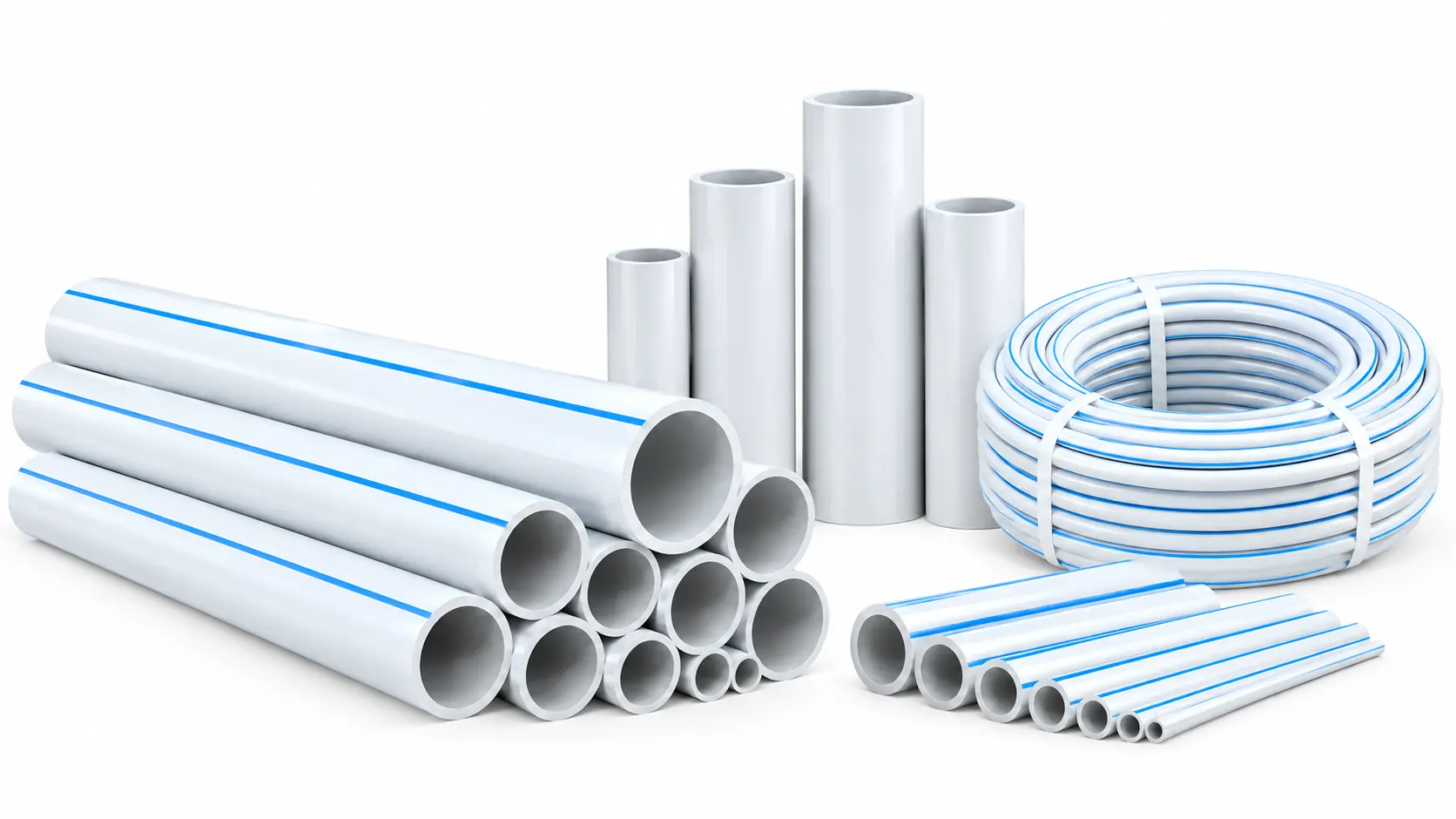
See what serious buyers check in PVC irrigation pipes, from quality and pressure ratings to manufact