info@flowtekpipes.com | +91-8700020073 | From homes to highways, Flowtek delivers trusted piping systems manufactured for strength, and safety.

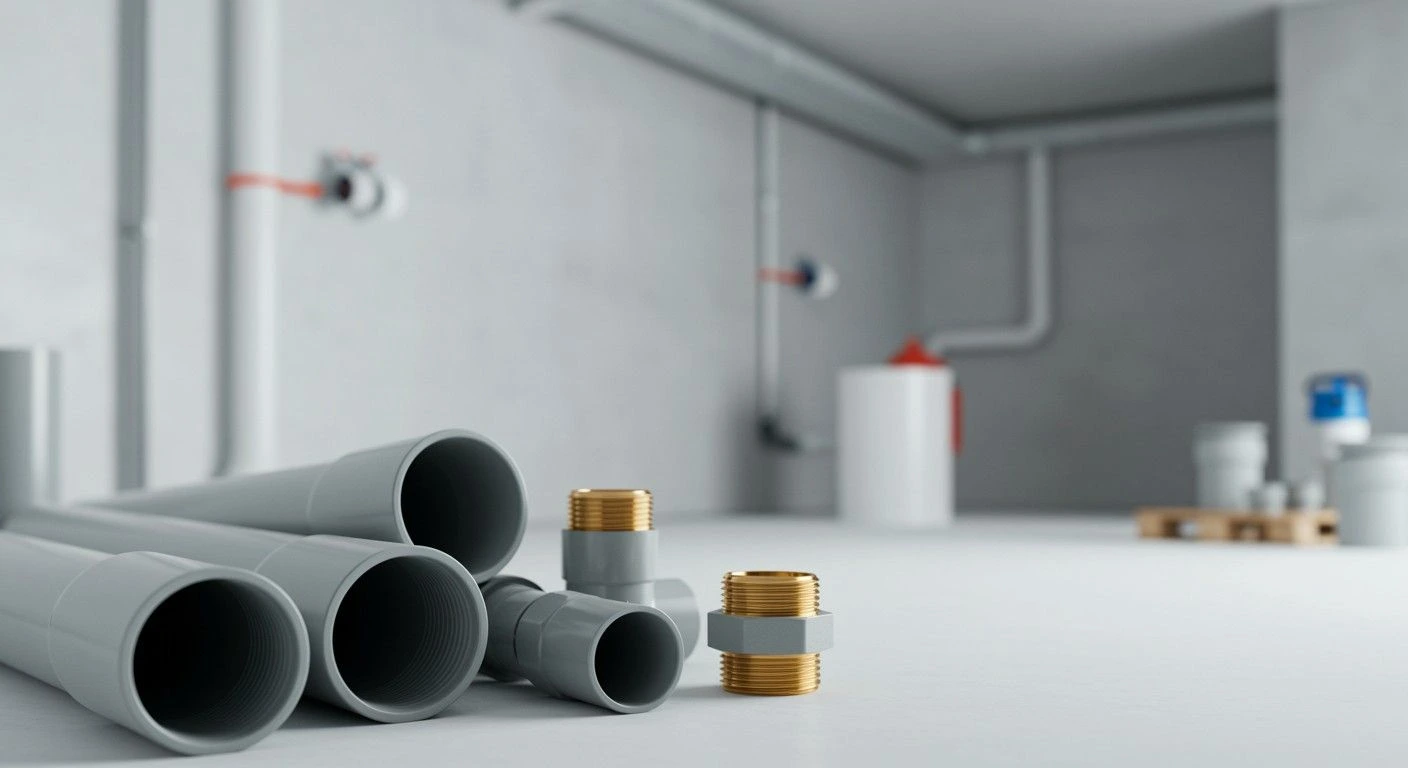
If you are thinking of purchasing CPVC hot and cold pipes, then you should know everything about them. Read on for more information.
Chlorinated Polyvinyl Chloride (CPVC) is a special thermoplastic that is formed after the chlorination of polyvinyl chloride (PVC) resin. Whereas the standard PVC is normally applied in cold water drainage, CPVC is specifically designed to withstand both hot and cold water pressurized water.
While evaluating CPVC Hot & Cold Water Pipes Price List, make sure to check the price and discount on bulk orders and also check the quality and material.
Fun Fact 1: “The "C" Factor: The difference between standard PVC and CPVC is the extra chlorine added through a chlorination process. This "boost" is what allows it to withstand much higher temperatures than regular PVC.”
The following are the types of CPVC hot and cold pipes:
This is the most frequently used indoor residential plumbing pipe. These pipes are made in size, depending on the external diameter of copper tubing thus making it easy to incorporate into existing systems. They are two types come in this range, are as follow:
It increases pressure rating and is most likely to be used in hot/cold water distribution.
Often used for cold water or lower-pressure applications.
They are normally applied to industrial or heavy-duty commercial purposes. They are sized in the same way as standard iron or PVC pipes.
Standard wall thickness; common for cold water or light industrial use.
It comes with thicker walls that are intended to be used at increased pressure and in the transportation of industrial chemicals.
There are different types of CPVC Cold Water Pipe; you must know where you are going to use it and for what purpose you are using it.
Flowtek Pipes & Fittings is an Indian company manufacturing piping systems of high quality to be used in residential, agricultural, industrial, and infrastructure projects. The company began its operations with the objective of providing solid and robust pipes, which are capable of performing at a high level with low prices. It has over the years expanded into a modern manufacturing firm with efficient technology of extrusion and mold costing as well as stringent quality control measures. Flowtek has a variety of products such as CPVC, UPVC, SWR, and agriculture pipes and fittings that are developed to be of long life, leak free, and easily installed. The company has an effective distribution channel, good dealer network, customer-orientated strategy, and timely supply across India; hence, the company is guaranteed timely supply, technical assistance, and long-term association.
Did you know? “Initial Applications: The first CPVC tubing and fittings for residential hot- and cold-water distribution systems were developed in the early 1960s, notably by Genova Products in Michigan in collaboration with B.F. Goodrich.”
Here are the advantages of CPVC hot and cold pipes:
While selecting cold and Hot water pipe CPVC, make sure to check all the above-mentioned advantages for smooth working operations.
Here is another blog you might be interested in.
How to Connect With the Best Couplings and Fittings Manufacturers in India?
The following table talks about the technical specification of CPVC hot & cold pipes.
| Parameter | Specification |
|---|---|
| Material Type | Chlorinated Polyvinyl Chloride |
| Standard Compliance | ASTM and IS standards for plumbing applications |
| Pipe Size Range | Available in various nominal diameters for plumbing systems |
| Pressure Rating | Suitable for different pressure classes as per standard design |
| Temperature Resistance | Suitable for high-temperature hot water applications |
| Thermal Conductivity | Low heat transfer property |
| Density | Lightweight material |
| Jointing Method | Solvent cement welding |
| Chemical Resistance | Resistant to acids, alkalis, and salts |
| Corrosion Resistance | Excellent, non-metallic composition |
| UV Resistance | Moderate, requires protection in outdoor installations |
| Surface Finish | Smooth internal and external surface |
| Color | Cream or off-white |
| Wall Thickness | As per standard dimension ratio guidelines |
| Flow Characteristics | High flow efficiency due to smooth bore |
| Fire Resistance | Self-extinguishing property |
| Lifespan | Long service life under standard operating conditions |
| Application | Hot and cold water distribution systems |
| Installation | Easy and quick installation |
| Maintenance | Minimal maintenance required |
Here are the applications of CPVC hot and cold pipes:
While evaluating CPVC Hot & Cold Water Pipes Sizes, make sure to check the space and location where you are going to place the pipes.
Fun Fact 2: “Silent Operation: Unlike metal pipes that can rattle or create "water hammer" noise, CPVC's polymeric structure makes it virtually silent during water movement.”
Here are some factors that you should consider when investing in hot and cold pipes.
An ideal Cold and Hot water pipe comes with all the above-mentioned points which are important to check before placing an order.
Did you know? “The "Chlorination" Breakthrough: CPVC is produced by a free radical chlorination reaction of PVC, where chlorine is introduced to enhance heat resistance. This makes it superior to PVC, which can typically only handle temperatures up to 60°C (140°F), whereas CPVC can handle up to 93°C (200°F).”
Here are some of the key reasons to choose Flowtek pipes and fittings for CPVC hot and cold pipe:
Flowtek Pipes and Fittings are the leading CPVC Hot & Cold Water Pipe Manufacturers In India. As the trusted brand, they maintain quality and material.
Here are the most asked questions related to CPVC hot and cold pipes.
Absolutely yes, CPVC of high quality is certified to be potable water. It does not drain chemicals, lead, and metallic flavours in the water. Check the certification of the pipe that guarantees the pipe is healthy and safe.
Flowtek Pipes and Fittings provides the best quality CPVC hot and cold pipes. The platform is known for offering high-quality CPVC hot and cold pipes to various businesses spread throughout the country.
CPVC pipes can stay for a long period of time when they are used appropriately and within their pressure and temperature limits. They do not scale or corrode, and therefore their performance is stable with time.
CPVC is somewhat resistant to UV, although direct exposure to sunlight may cause the substance to become brittle. If installing outdoors:
Here are some of the reasons:
CPVC joints are chemically welded and therefore hardly leak unless an installer made a mistake during the installation.
CPVC hot and cold pipes are used in various places because they are non-corrosive, easy to install and rigid. That's why people prefer them. Make a habit of checking the certification of pipes before purchasing and also ask CPVC hot and cold pipe suppliers about the material and quality of the pipes that meet industrial standards. All these factors make Flowtek Pipes and Fittings the most preferred platform for sourcing high-quality CPVC hot and cold pipes.
If you are thinking of purchasing CPVC hot and cold pipes, then Flowtek Pipes and Fittings is the perfect choice. The brand also offers CPVC pipes, stainless steel fittings, plumbing fittings, PVC connectors and much more. Contact Us Now.
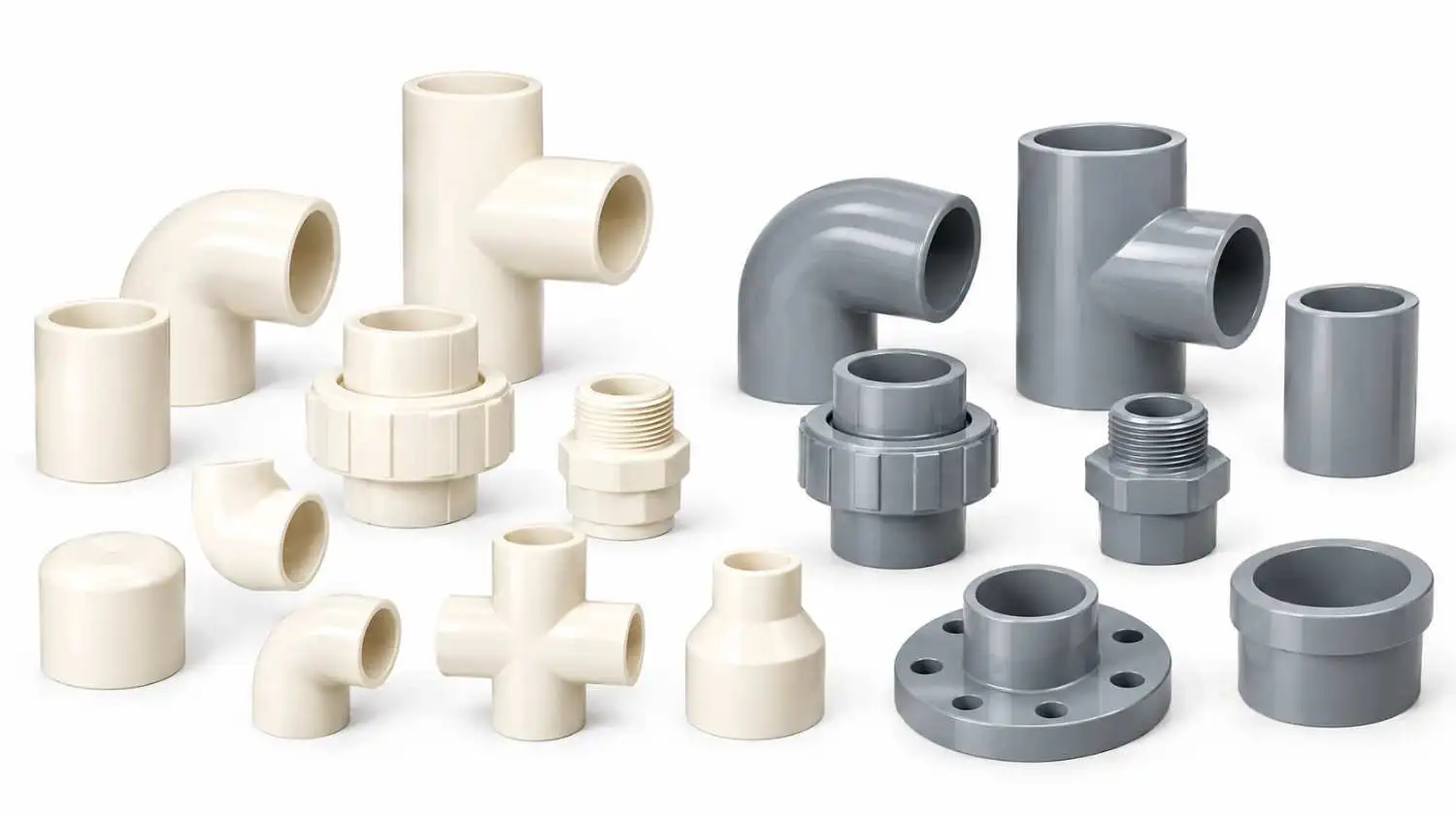
Explore the complete UPVC & CPVC pipe fittings buying guide. Learn types, uses, benefits, and expert
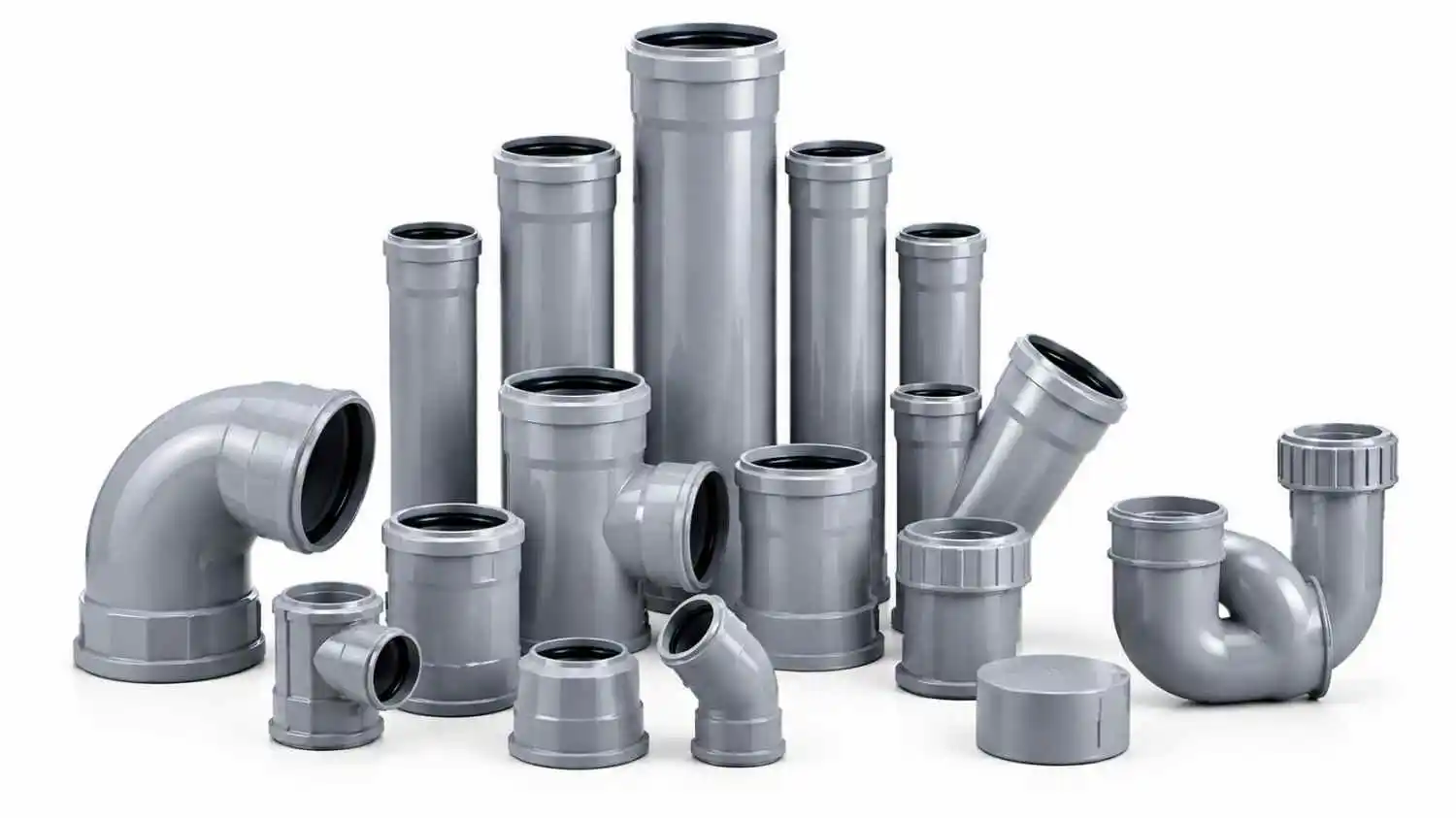
Explore SWR pipes, fittings, types, uses, and benefits. Learn how to choose the right SWR pipe manuf