info@flowtekpipes.com | +91-8700020073 | From homes to highways, Flowtek delivers trusted piping systems manufactured for strength, and safety.

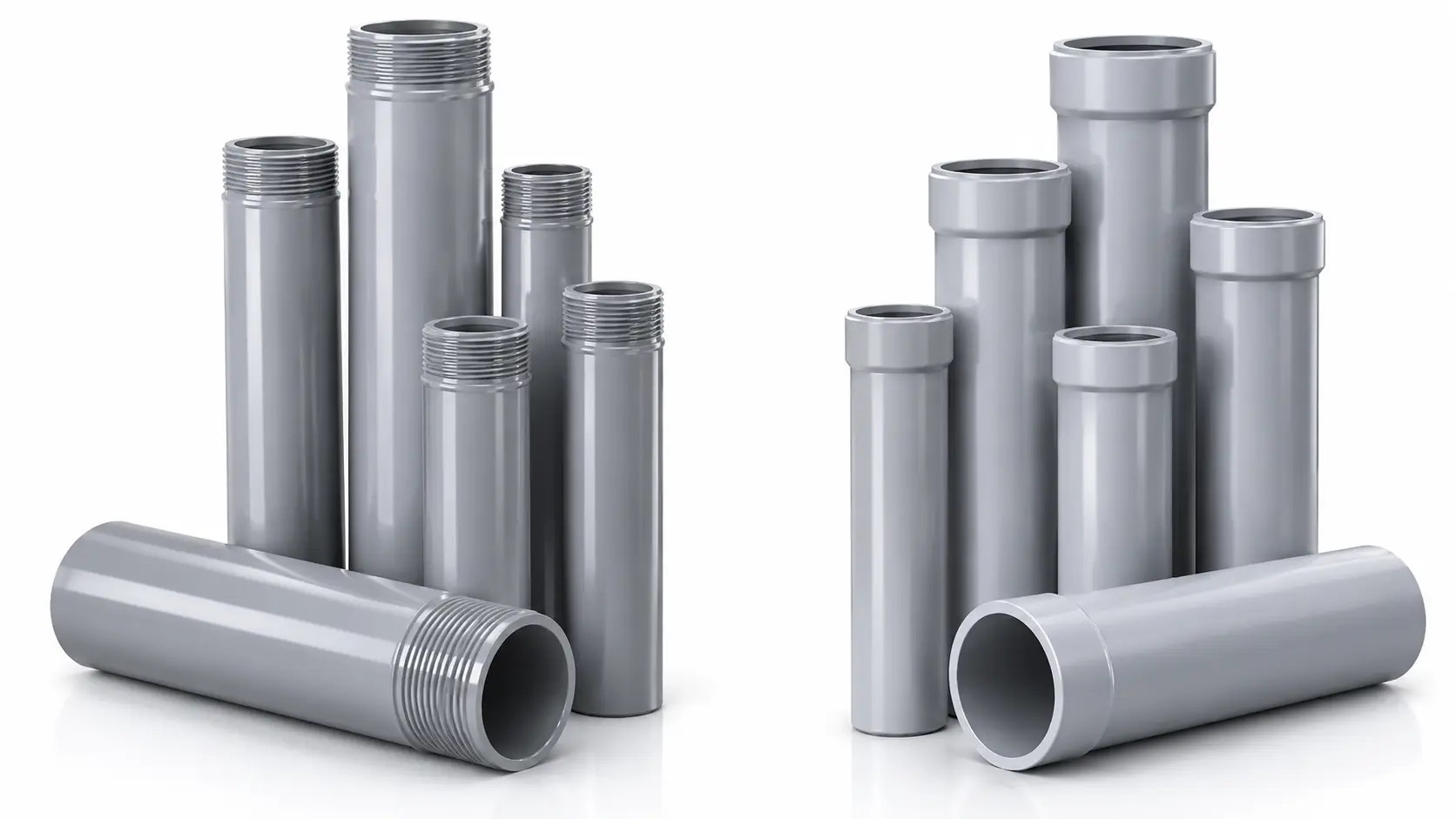
Select the right borewell pipe and column pipe to water borehole groundwater applications depend on long-lasting, dependable borewell and column pipes. The length, borehole diameter, borehole wall thickness, pipe load capacity and borehole borewater capacities all influence pump output and the security and simplicity of installation, and well lifespan. Borewell pipes provide the borewell construction; column pipes support the assembly of the submersible pump; and, water rises through the column pipe to the surface. The number of borewell pipe length and borehole specifications needed are established based on borehole location, pump specifications and working pressure.
The depth of your borewell affects the length of pipe you will need, the need for a borewell pipes casing and the loads imposed on the pump installation. The casing pipe needs to resist a load imposed by the pressure of the soil and water outside the borehole, particularly in areas where the borehole may be loose.
Column pipes suspend the pump and the pipe that supports it, and all the pipe and equipment attached to it. The greater the depth at which the assembly is installed, the greater the accumulated suspended load. Internal pressure must be looked at also.
But depth doesn't alone decide what pipe grade is needed. Borehole geology, groundwater profile, pump weight, water level and installation method all come into play. Always adhere to the manufacturer-rated depth and load limits, and never specify pipes based just on the entire borewell depth.
Reduced pump clearance, water flow and installation compatibility all influence the borewell pipes to require appropriate internal dimensions and measurements as per the borehole design and ensure no space should be left between the casing arrangement and submersible pump. Wrong sizing can add trouble during installation or can be a hindrance to the service.
Column pipes should be rated by pump outlet size, discharge and system operating conditions. A pipe too small can cause excessive friction loss and impaired pump efficiency. Excessively large diameter pipe can also cause undesirable higher material costs and installation requirements.
The following should be checked:
The column pipe is suitable for the pump outlet and will give the required flow but not exceed operating limits.
The specifications for borewell and column pipes will vary because both these types of pipes are subjected to different types of load.
Borewell Pipes
Casing borewell pipes are subjected to outside forces exerted by the earth, groundwater, water levels and possible borehole movement. Support strength or crushing or distortion is directly related to the strength of the material, the thickness of the borewell pipes, its diameter and overall installation conditions. It could make a significant difference between stable and unstable formations.
Column Pipes
Column pipes are mainly subjected to tensile loads transferred from the suspended pump, pipe column which is filled with water, column pipe and its attached components. They are also subjected to internal water pressure, torque starting and stopping and pump surge and water hammer. These loads are dominant in deep installations.
Joint strength is also important. Threads should also be designed to support the weight of the suspended pipe and pull the pipe together under working conditions. When selecting the style of pipe, check to make sure that the rated load is listed for the entire pipe and joint assembly and not just the pipe body. A safety margin should be provided for the installation conditions and variations in operation. Always adhere to manufacturer specifications and other engineering guidance rather than generic depth and load estimates.
Borewell pipes and column pipes go hand in hand in a groundwater pumping system. Casing pipes are used within the borehole where support is required, to prevent loose material from entering into the borewell and to provide protection to the borewell structure.
In aquifers, screened sections may be used to allow water entry but inhibit the flow of sand and other particles. Placed at the right depth, a column pipe runs from the submersible pump up to the surface water outlet. The column pipe transports the pumped water out of the water and also supports the suspended package.
Installation will only be successful if the size, type of connection and material is compatible. The clearance of the pump casing should be checked and the column pipe should be appropriate to the pump outlet and delivery conditions.
Prior to ordering in bulk, it's recommended that buyers review the technical specifications below to ensure the column and borewell pipes manufacturers meet the requirements of their specific groundwater application.
A good column pipe manufacturer like Flowtek Pipes & Fittings should have specifications for the pipe body and joints. Before large orders, make sure to check consistency of products, fit for fitting and for documentation.
When buying borewell or column pipes in bulk, contractors, dealers, distributors and infrastructure buyers should consider their business partner. Begin by evaluating a manufacturer for their selection, specifications, quality control measures and whether they can meet your specific size and quantity requirements.
A column pipe supplier like Flowtek Pipes & Fittings will indicate the best type of pipe for the expected borehole conditions, a quality column pipe supplier will specify maximum loads, maximum pressures and connection sizes. It must not be the focus of the supplier selection. Bulk availability, delivery time, packing, post-sales and tech-support.
Local authorized distributors can be helpful for country availability, spare needs and compatible fittings. However, it is recommended to check whether the distributor is authorized where applicable and that specifications match the borewell pipes manufacturer's documentation.
Technical expertise on deep borewells and pump assemblies of many tons can avoid avoidable mistakes in sizing and installation. When quotes are compared against specifications, testing history and supply volumes, buying becomes less uncertain.
Ensure you understand the depth of the installation, borewell pipe diameter, load capacity, pressure ratings and the joint strength before you buy borewell pipes and column pipes. Take care to check the actual site condition before selecting a product. Partnering with a trusted column pipe manufacturer in India will also help in gaining the right access to products and technical data.
|
Flowtek Pipes & Fittings is the right choice to consider as an alternative when referring to borewell pipes and column pipes as they are leading borewell pipes manufacturers in India. |
Deeper up the column normally raises the suspended load and can alter pressure requirements. Select column pipes in accordance with the rated load, as described by the manufacturer, limits of installation and operation.
Yes. All borewell pipes require casing diameters and pump clearances. Column pipes require design for pump outlet, discharge and pressure. Determine which diameters are suitable for which functions.
Column pipes suppliers in India and borewell pipes suppliers in India should offer size information and material details; should state load or pressure requirements, testing and also give information on availability of products and fittings.
The service life of a pipe can be affected by quality, installation, operating pressure, loading and normal maintenance. Choosing the right specifications ensures longer use life.
Good strong matching joints are required to support the suspended pump assembly, carry the operating load and prevent separation or leakage when pumped from the ground water source.
Flowtek Pipes & Fittings's available pipe sizes, materials specification, loading specifications, joints and technical data should be checked by Buyers to see if they will fit their borewell specifications.
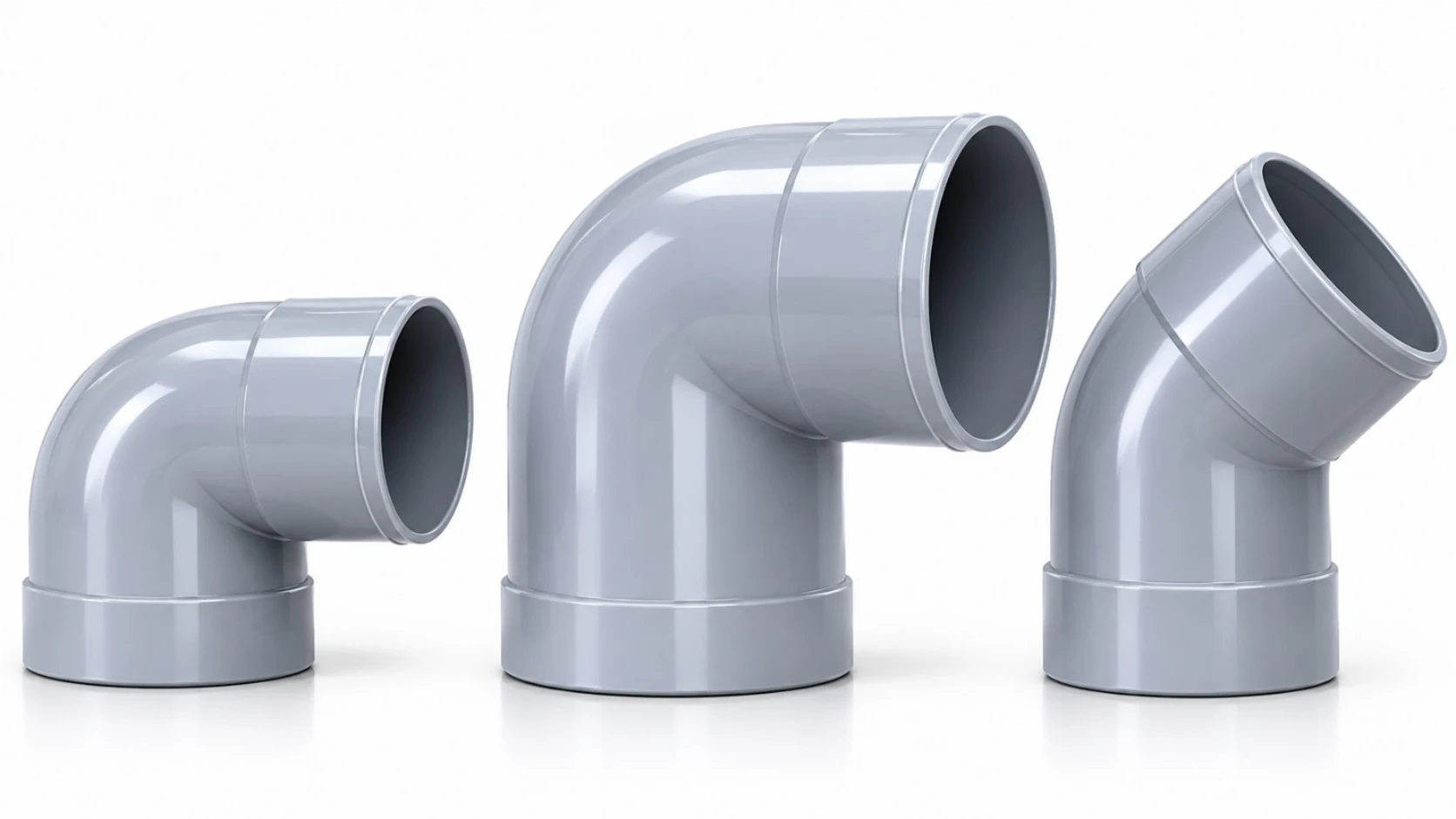
Discover how SWR elbow fittings improve drainage layouts, the uses of 45° and 90° bends, and key s
Learn how borewell depth, pipe diameter, pressure and load requirements affect the selection of bore